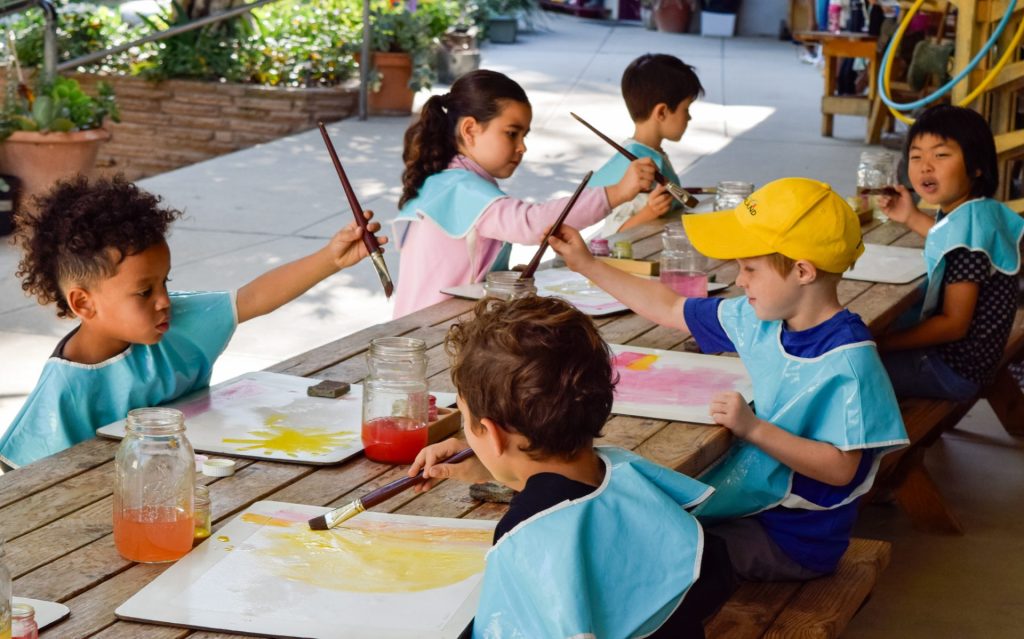
The young child engages with the world in a very different way than an adult. The order in which these children engage is Willing, then Feeling, and then Thinking.
Therefore, the young child learns through doing, predominantly by imitation–observing and copying.
In a Waldorf Preschool & Kindergarten, there are 7 essential practices when caring for our youngest children:
- Loving interest in and acceptance of each child.
- Opportunities for self-initiated play with simple play materials as the essential activity for young children. This is the young child’s work and makes it possible for children to digest and understand their experiences.
- Awareness that young children learn through imitation, through the experience of diverse sensory impressions, and through movement. Their natural inclination is to actively explore their physical and social environment. Their surroundings offer limits, structure, and protection, as well as the possibility to take risks and meet challenges.
- A focus on real rather than virtual experiences to support the child in forming a healthy relationship with the world.
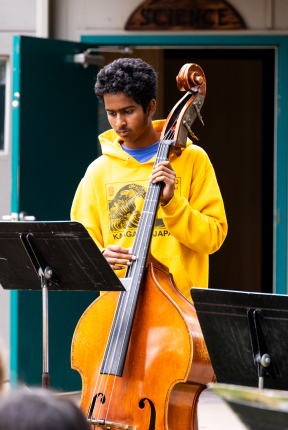
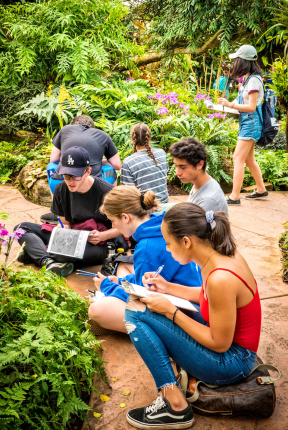
- Age-appropriate artistic activities such as storytelling, music, drawing and watercolor painting, rhythmic games, and modeling with beeswax, that foster the healthy development of imagination and creativity.
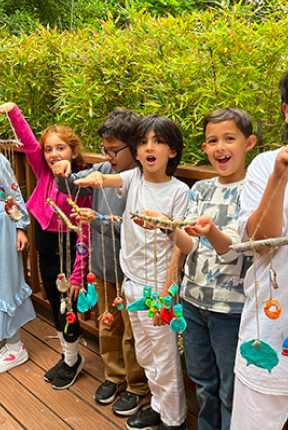
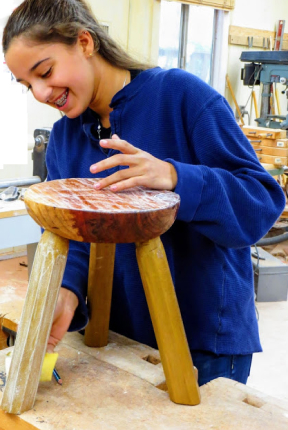
- Meaningful practical work such as cooking, baking, gardening, handwork and domestic activity that provide opportunities to develop unfolding human capacities. The emphasis is on the processes of life rather than on learning outcomes.
- Predictable rhythms through the day, week, and year that provide security and a sense of the interrelationships and wholeness of life. Seasonal and other festivals are celebrated according to the cultural and geographical surroundings.